
A condition that’s been making headlines recently, chronic venous insufficiency (CVI), affects millions of Americans—but many don’t know they have it.
CVI occurs when the veins in your legs aren’t working properly, making it difficult for blood to return to your heart. Instead of flowing upward, blood pools in the legs, causing a variety of symptoms that can be mistaken for something less serious—like aging, muscle fatigue, or dehydration.
Recognizing the Signs
Some of the most common symptoms of CVI include:
- Swelling in the lower legs or ankles, especially after standing or sitting for long periods
- A feeling of heaviness, aching, or cramping in the legs
- Itchy, dry, or thin skin on the legs
- Discoloration or visible veins
- Ulcers or open sores, often near the ankles
While these symptoms may seem like minor inconveniences at first, they can worsen over time and lead to serious complications if not treated.
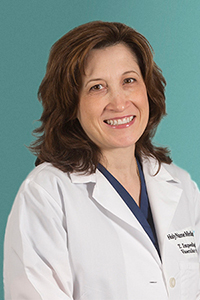
“CVI is often underdiagnosed because the symptoms overlap with so many other conditions,” says Dr. Theresa Impeduglia, chief of vascular surgery at Holy Name. “If you notice persistent leg swelling or discomfort, especially if it gets worse at the end of the day, it’s worth getting checked out. Early treatment can make a big difference.”
Understanding the Causes
CVI can develop due to damaged or weakened valves in the veins. Normally, these valves help push blood back toward the heart. When they stop functioning properly, blood flows backward and begins to pool.
Risk factors for CVI include:
- A family history of vein disorders
- Obesity
- A sedentary lifestyle
- Pregnancy
- Smoking
- A history of deep vein thrombosis (DVT)
- Women and older adults are also more likely to develop the condition.
What You Can Do
The good news is that CVI is treatable—and in many cases, manageable with simple lifestyle changes. Moving more, elevating your legs, wearing compression stockings, and maintaining a healthy weight can help improve blood flow.
For more advanced cases, minimally invasive procedures performed by specialists like interventional radiologists can relieve symptoms and prevent complications.
“People often think they just have to live with leg pain or swelling, but that’s not the case,” says Dr. Impeduglia. “With the right diagnosis and treatment, we can significantly improve a patient’s comfort and quality of life.”
Don’t Ignore the Signs
If your legs feel heavy, tired, or unusually swollen, don’t brush it off. These symptoms may be your body’s way of telling you that something isn’t working quite right. Talk to your healthcare provider or ask for a referral to a vascular specialist.
Chronic venous insufficiency may be common, but with awareness and early intervention, you can stay a step ahead.
If you have additional questions, reach out to Dr. Theresa Impeduglia at (201) 646-0010.
